Vai al contenuto principale
Vai al menu principale di navigazione
Vai al footer
 

what is Microrepair®?

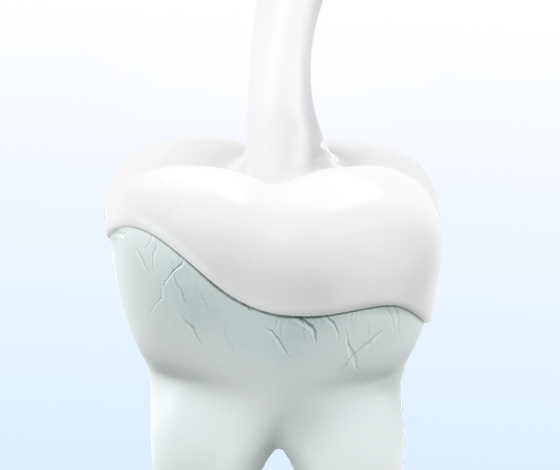
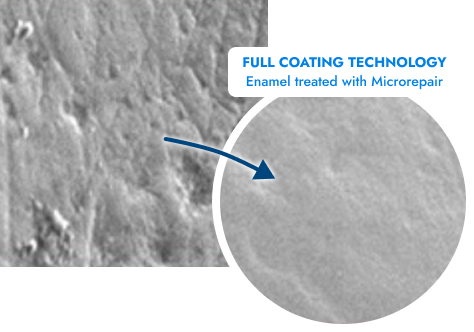
Microrepair® is made of biomimetic zinc-substituted hydroxyapatite crystals that are extremely similar to tooth enamel and can therefore adhere to enamel and dentin to protect teeth naturally and repair dental surfaces evenly and comprehensively with FULL COATING TECHNOLOGY.


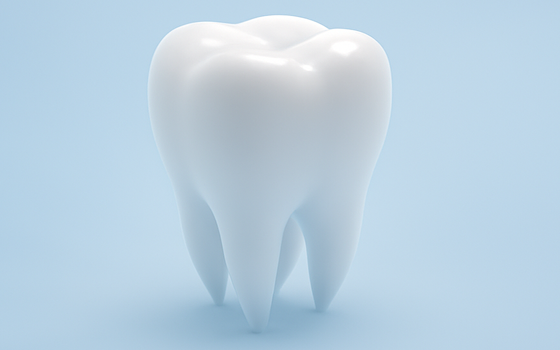
Tooth enamel: a highly mineralized tissue that cannot be regenerated

Tooth enamel is the most highly mineralized tissue in the human body, and is made up of 96% hydroxyapatite crystals. It protects dentin and pulp from thermal, chemical and mechanical stimuli.
However, as it is an acellular tissue and cannot regenerate: any damage, even microstructural, is irreversible if not treated.


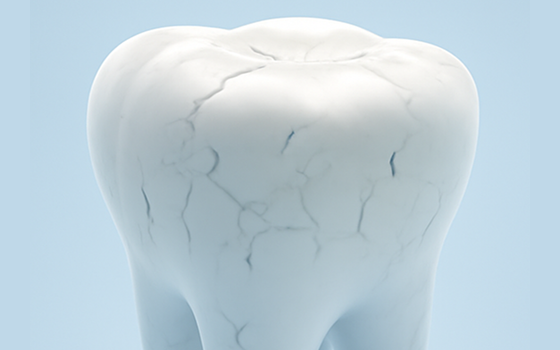
Micro-lesions: clinically invisible with high progression risk

Initial alterations to tooth enamel – chemical erosion, mechanical stress and abrasions – generate <5 µm micro-cracks, that are often invisible in a standard clinical examination. These micro-lesions are an active entry point for oral bacteria, that stimulate colonization, biofilm formation and localized demineralization.


Why is partial protection not enough?

Simple protective or remineralizing action on limited portions of the enamel is not clinically effective. Even small, unprotected areas can become vulnerable.
Any effective treatment must therefore ensure:
- an even and continuous coating of the enamel surface,
- stable adhesion,
- structural integration with the dental matrix.

The uniqueness of our Microrepair®​
FULL COATING TECHNOLOGY

Microrepair®: a biomimetic and technologically advanced approach

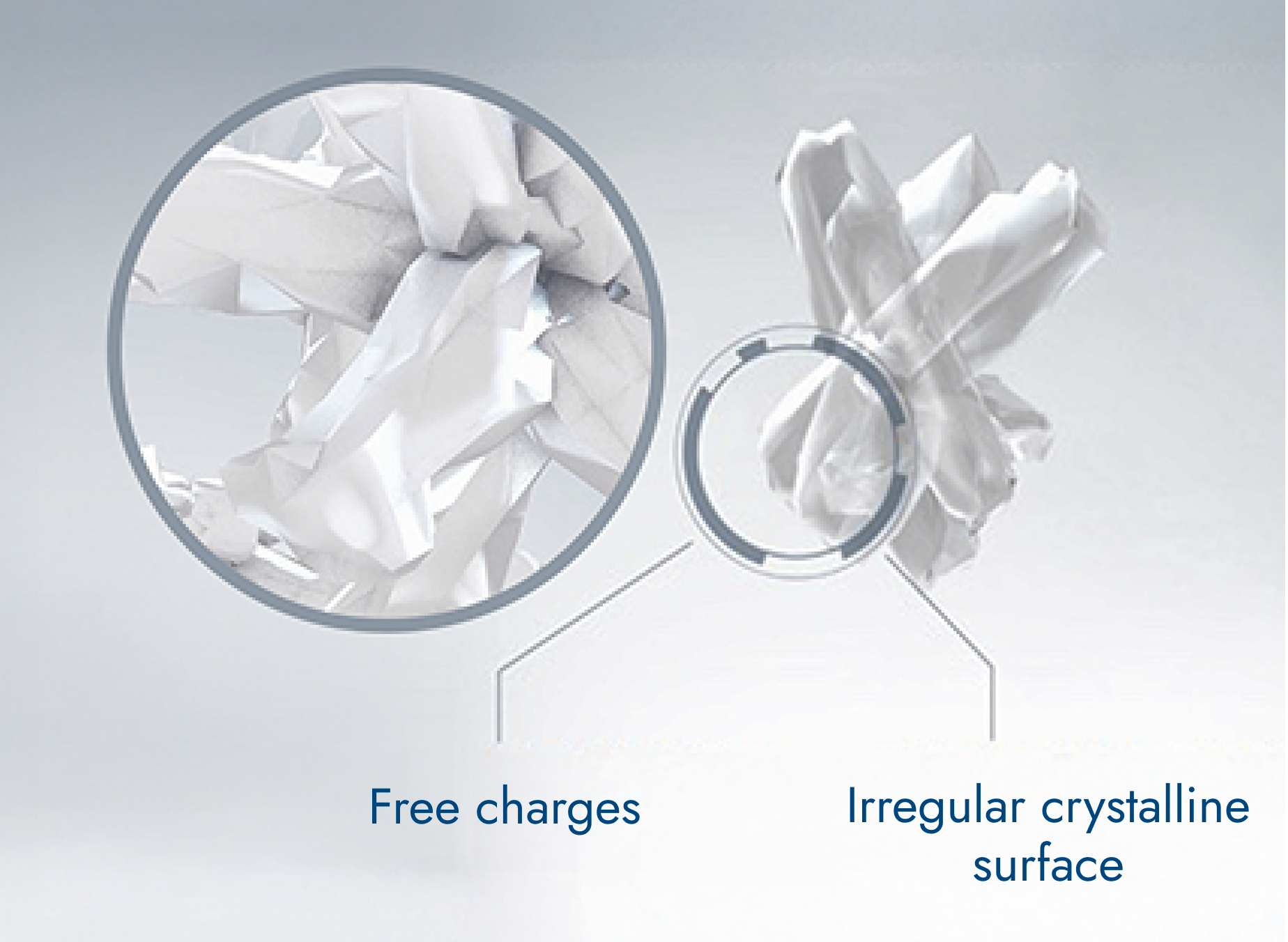
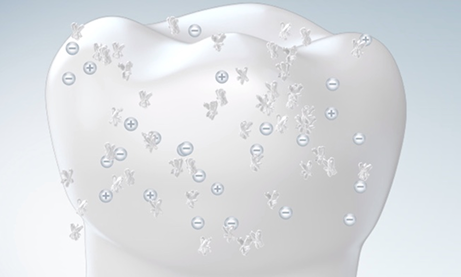
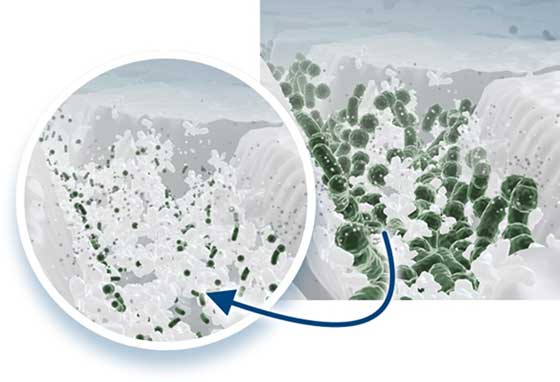
Microrepair® is made of zinc-substituted-carbonate-hydroxyapatite crystals synthesized with a patented, bottom-up process, that enables a controlled micrometric aggregation of nanometric crystals. This innovative process endows Microrepair® particles with three distinctive properties:

Surface and form
Their irregular, jagged surface maximizes interaction with dental enamel, enhancing adhesion and a uniform coating.
Amorphous configuration
By imitating the structure of natural dental hydroxyapatite, the particles become more reactive and integrate better with the mineral network of the damaged enamel.
Zinc-substituted structure
Zinc is fused with the crystalline matrix to guarantee an effective and long-lasting antibacterial effect.




Full Coating Technology

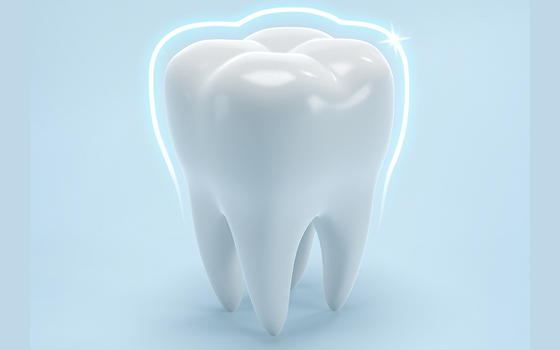
Completely coating the enamel surface offers active protection, not just a barrier
Thanks to these properties, Microrepair® crystals do not simply protect, but actively interact with the enamel surface, creating a Full Coating effect. This means it:
- fills even deep micro-cracks;
- reinforces the prismatic structure of the enamel;
- reduces dentin sensitivity;
- prevents bacterial adhesion.


Microrepair® is the only active ingredient that repairs the entire surface of dental enamel evenly and effectively.


The real alternative to fluoride

When Microrepair®, particles settle on dental enamel, they form an even coating that repairs and protects it against acid attack and erosion. This protection is twice as effective as fluoride-based toothpastes.

What do Microrepair® particles do?

They repair and
remineralize dental enamel

The special molecular structure of hydroxyapatite (Microrepair®) crystals repairs the surface of the enamel evenly while also forming a protective biomimetic coating.


They reduce dentin
sensitivity

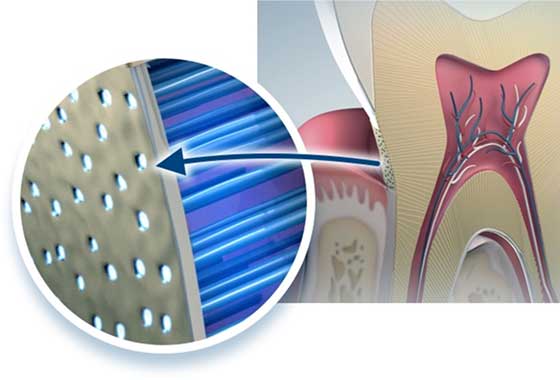
Thanks to their size, Microrepair® (Zinc-Substituted-Carbonate-Hydroxyapatite) crystals are able to penetrate dentinal tubules and adhere biomimetically to the dentin surface. This has a long-lasting, protective effect that reduces dentin permeability.

They have an antibacterial
and anti-cavity action

Microrepair® crystals have an effective antibacterial effect as they release Calcium, Phosphate and Zinc ions locally when teeth are attacked by a pH acid or the bacteria that cause plaque. Zinc ions are released in an optimal concentration which has an antiseptic action on the oral cavity that combats bacterial attacks.